|
|
How much time are your teams really losing by notching joists on-site? Building regulations require uncompromising lateral restraint. Traditional methods force trade delays. The Simpson Strong-Tie HES alternative eliminates them completely.
|
01 / Overcoming the Engineering Flaws of Weight
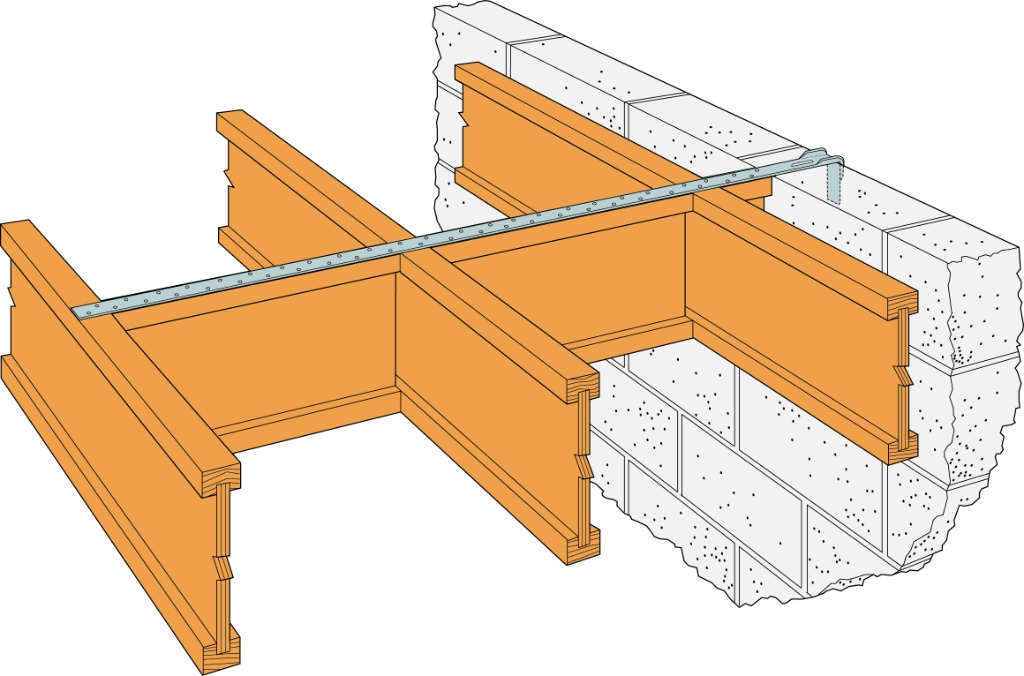
Approved Document A of the Building Regulations strictly mandates that lateral restraint must be provided across floor zones and roof structures at a maximum of 2-metre intervals. Historically, structural masonry walls were tied back to floor frameworks using traditional heavy-duty 30mm x 5mm hot-rolled flat bars. While structurally rigid, their mass creates significant handling fatigue, slow vertical installation cycles, and severe transport bulk.
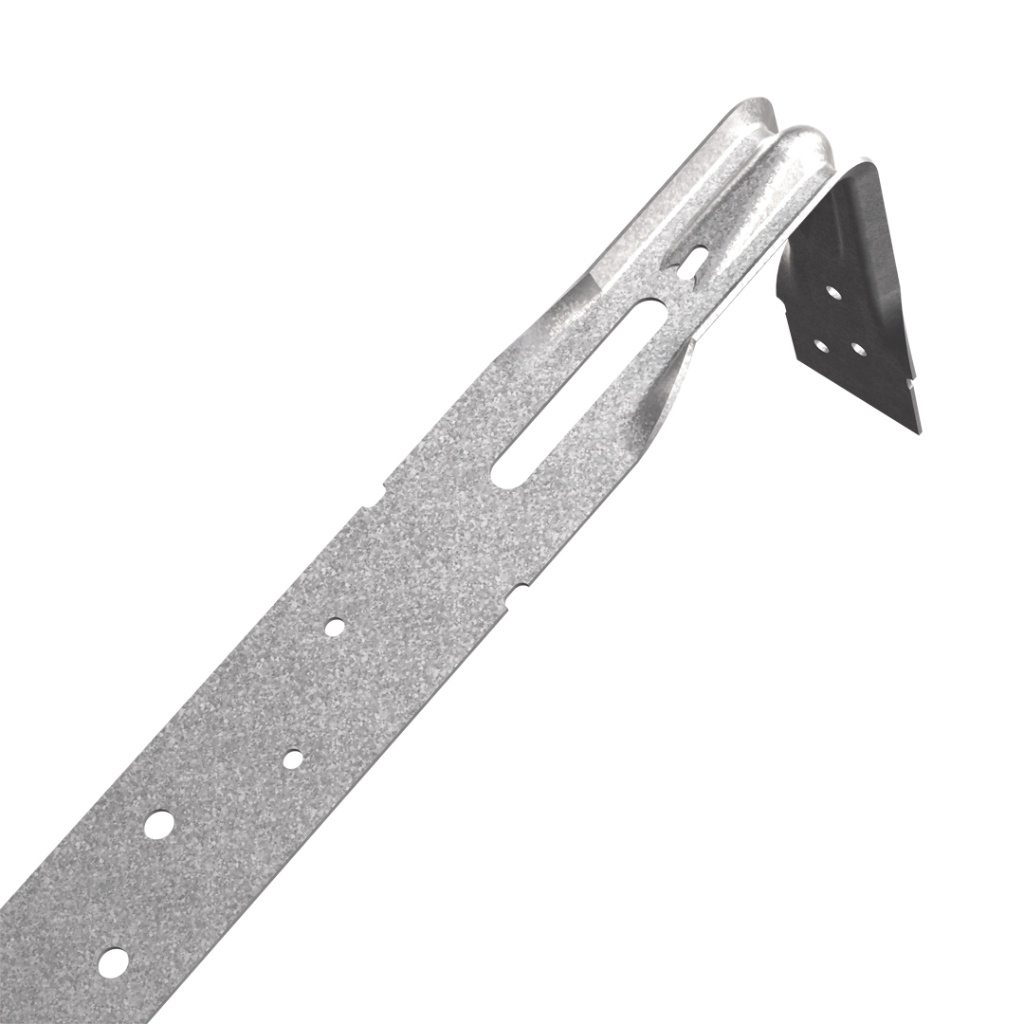
The Simpson Strong-Tie Heavy Engineered Strap (HES) completely redefines this dynamic. By moving to a thin, ultra-high tensile 1.2mm pre-galvanised mild steel body backed by a proprietary formed-edge ridge system, it matches the robust 8kN performance threshold of a traditional strap while cutting weight by more than 60%. This enables site installation crews to manage bundles effortlessly, safely reducing handling risks across scaffolding elevations.
02 / The Death of the Timber Notch
When installing standard 5mm thick horizontal restraint strapping perpendicular to joists, carpenters are forced to physically notch out the upper face of every structural timber member or truss chord the strap spans to keep floor boards flat. This process introduces two critical failure modes on site:
Because the unique structural design thickness of the HES anchor is limited to a fraction of a millimetre, it spans across floor joists and truss bottom chords cleanly without ever requiring notching. This ensures absolute mechanical integrity for your structural timbers and scales overall framing efficiency dramatically.
03 / Flawless Blockwork Alignment
Traditional thick ironmongery struggles to track consistently against internal brickwork or dense block wall courses, frequently resulting in misaligned bed joints. The lightweight structural nature of the HES profile lays perfectly flat along structural blocks face paths, wrapping smoothly inside standard mortar zones without interrupting bricklaying speeds or creating localized structural load variances.
HES Product Profiles
|
Material Grade Pre-galvanised Mild Steel (Z600) |
|
Regulatory Compliance BS EN 845-1 / CE / UKCA Mark Approved |
|
Fastener Matrix 8 No. 3.75 x 30mm Square Twist Nails |
Posted: 23rd June 2026
Author: Metro Fixings